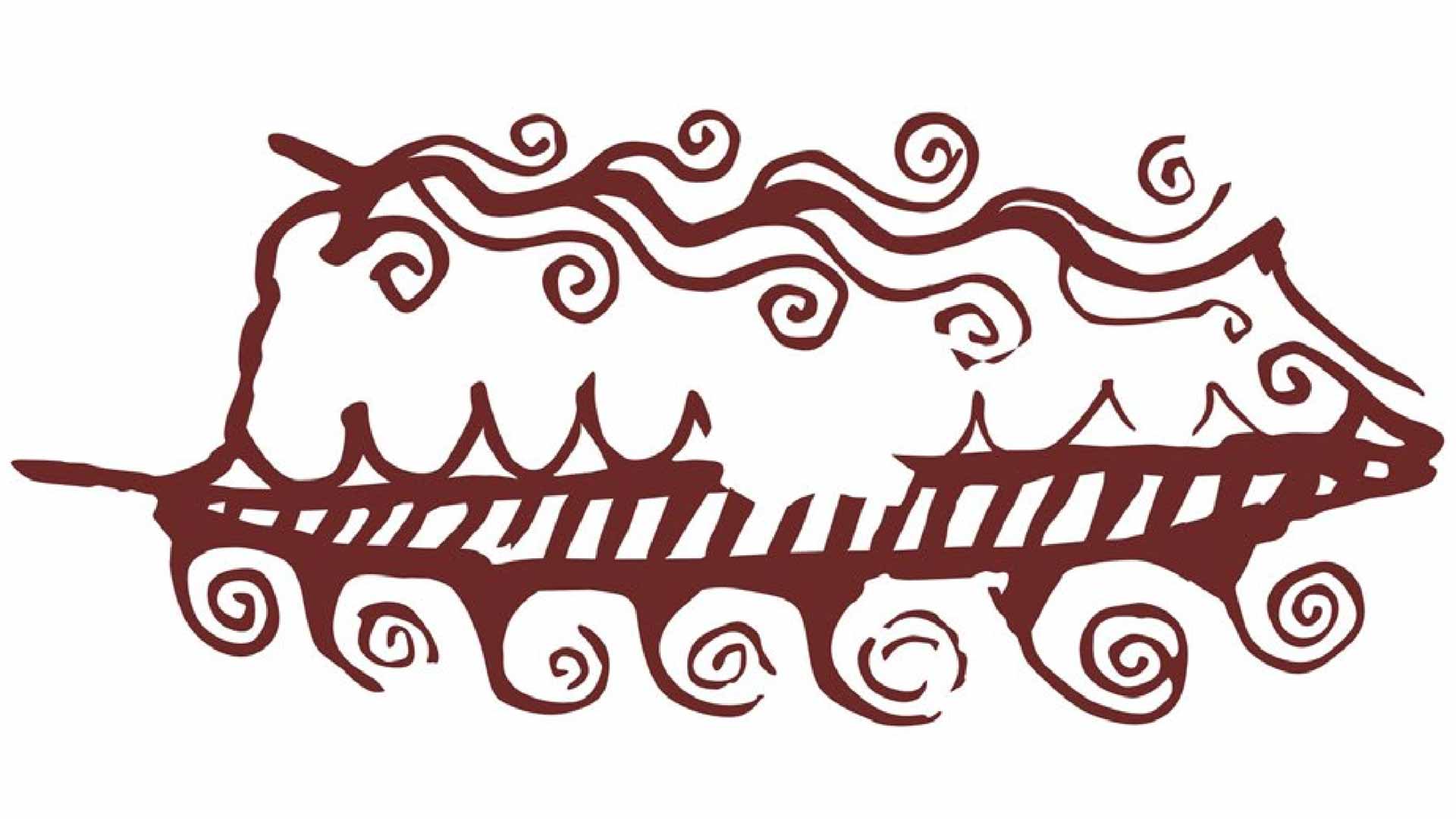
FIRST HISTORICAL RECORDS OF WINEMAKING IN SPAIN
With more than 2,500 years of history, our vineyards are located in the surroundings of one of the oldest archaeological sites in the Iberian Peninsula in terms of wine production, with evidence that our ancestors were already making wine since the beginning of the 6th century BC.
2,500 years ago
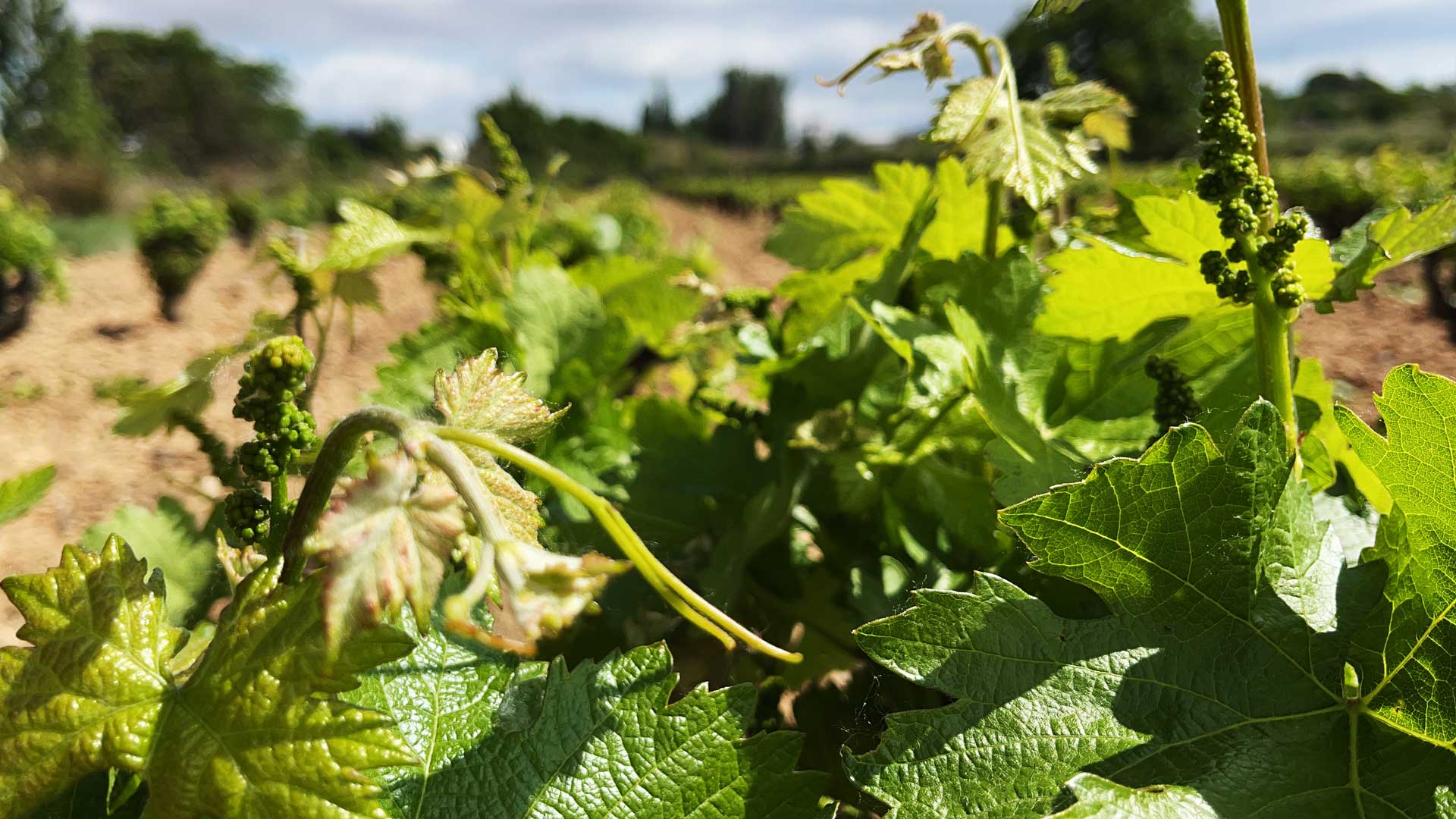
FIRST SPROUTS
After the winter rest a new cycle begins, as if it were a new life. The care during this period will define together with environmental factors, etc. the future of that harvest. The care and knowledge transmitted from generation to generation will result in a wine with its own expression and character different from the previous cycle.
SPRING
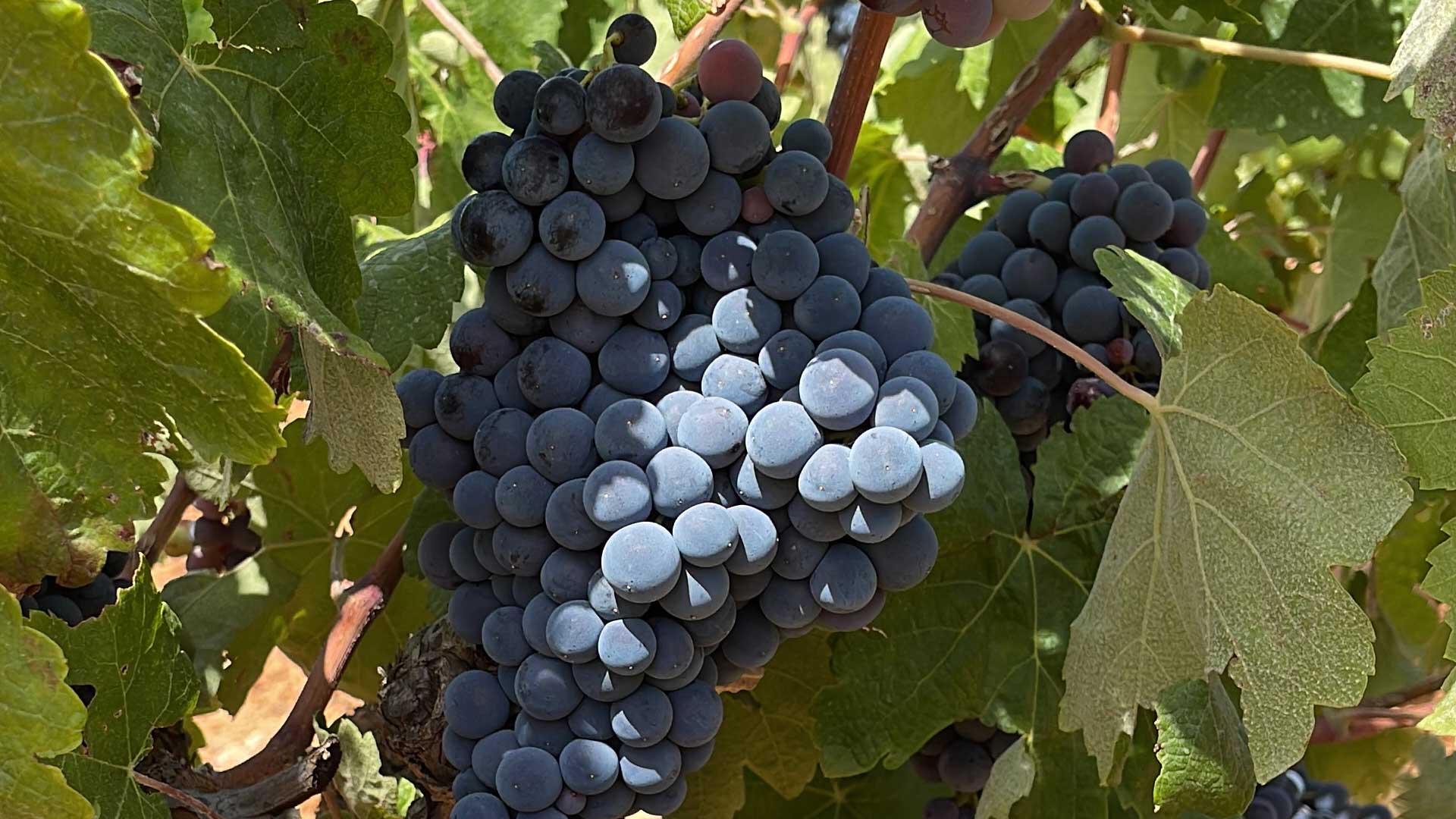
BLOSSOM, GRAPE SETTING, MATURATION AND VERAISON
Once the flowers have set, we begin to glimpse what will be the new harvest, a period in which intervention is minimal. It gives way to veraison, which gives us a glimpse of the character and personality of the final result.
SUMMER

FINAL RIPENING, HARVESTING AND WINEMAKING
The optimal moment of maturation defines the moment of harvest. Where once again the care and manual harvesting in boxes of 15kg and the selection of the best grapes will result in the type of winemaking. Prioritizing the minimum intervention to obtain a result that preserves the artisanal essence of the whole process.
FALL

LEAF FALL, PRUNING, RESTING AND NEW CYCLE
Leaf fall signals the end of a cycle, the lunar phase will indicate the time for pruning, which in turn will shape the next cycle. The care and experience of the artisan winemaker will prepare the vineyard for the rest. In turn, the jars already contain the result and the essence of this cycle. Are prepared for the winter rest as if it were a small death, until the next rebirth in spring. The wine finishes taking shape.
WINTER
Legacy
This process has been uninterrupted for as long as we can remember from this family legacy. The historical and archaeological records remind us that we have been working in a very similar way in these lands for more than 2,500 years.